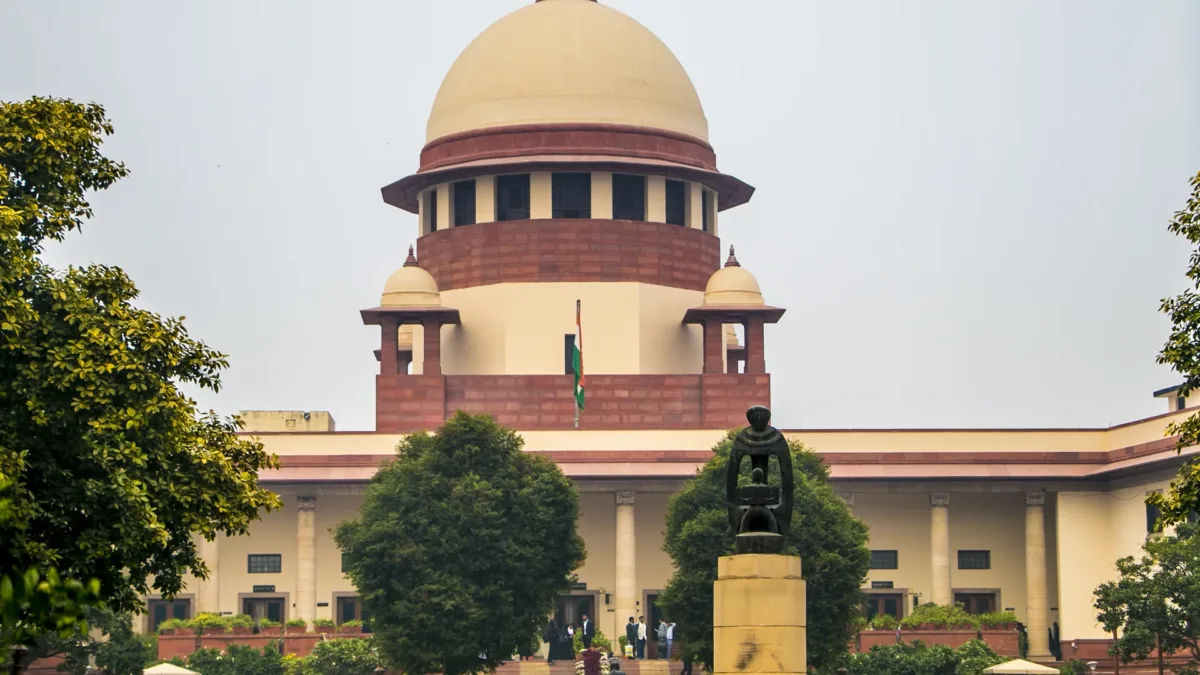
The Centre has one week to file the Supreme Court census SOPs for Census 2027, after the court on Thursday asked for the standard operating procedures governing the count, including how caste data will be recorded and verified.
A bench of Chief Justice Surya Kant and Justices Joymalya Bagchi and V Mohana directed the Centre and the Directorate of Census Operations to place the procedures on record within a week. Additional Solicitor General Aishwarya Bhati, appearing for the Centre, told the court she would apprise it of the relevant procedures.
The court was hearing a petition by Aakash Goel, who raised concerns about the methodology for collecting and verifying caste information under the census notification of 14 August 2026. The petition asks the court to direct the authorities to disclose the methodology, the household schedule and the instructions given to officials, while protecting the confidentiality of individual information.
Supreme Court census SOPs: what the petition asked for
Goel also wants a transparent mechanism to record the identifying particulars of government-issued caste certificates, where available, and to verify them through the competent authorities. And he has asked the court to direct that caste data from Census 2027 should not be the sole basis for revising reservation policies or deciding welfare allocations unless a transparent and verifiable verification protocol is in place.
The court had already asked for the procedures once before. In an order dated 12 October, the same bench asked the solicitor general to place the census SOPs on record and directed that a full set of the case papers be given to the Centre’s lawyers.
Census 2027 will be India’s 16th national census, the first to include a comprehensive caste count since 1931, and the country’s first fully digital census. That makes the question of how caste is recorded and checked more consequential than in any count for nearly a century.
The Centre has a week to respond. What the court does next will depend on whether the procedures it files answer the petitioner’s concerns about transparency, verification and privacy.
Sources: Business Standard, Live Law. Related on Newsy: Parliament special session November 30: delimitation returns and Tamil Nadu paternity leave: 15 days for male government staff.