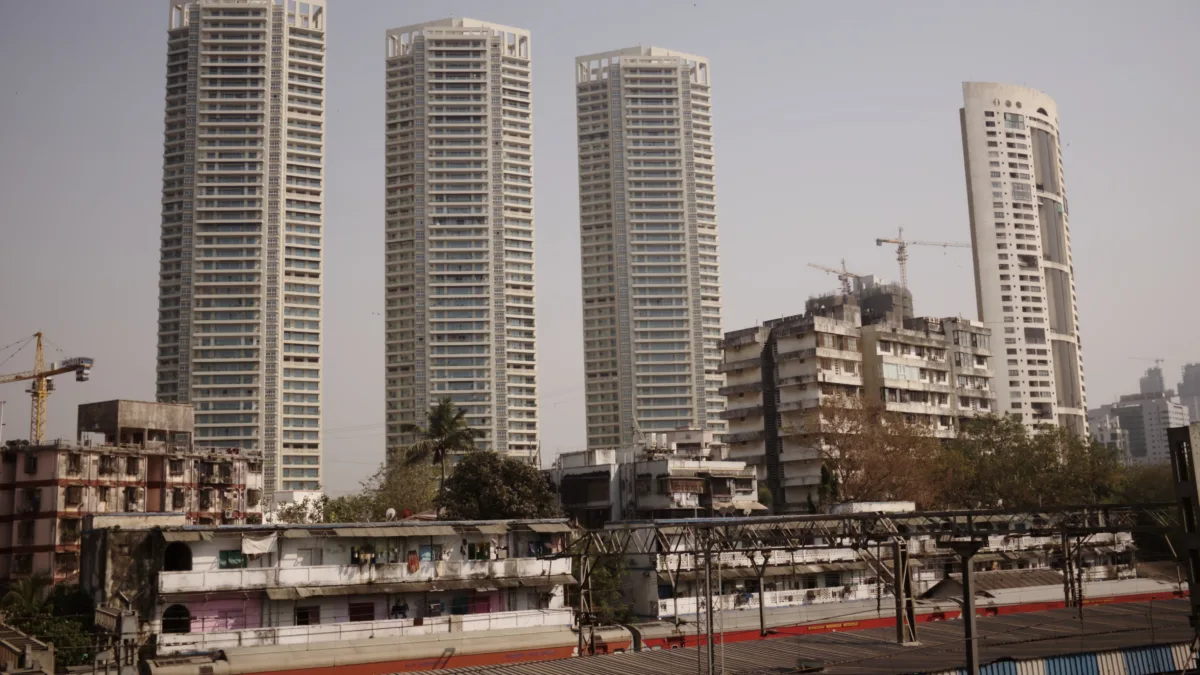
Every renter in India asks it sooner or later: am I throwing money away on rent, or is buying a flat the smarter move? The honest answer is that it depends on the numbers in your city, how long you will stay, and how much cash you have — not on a slogan. This guide to renting vs buying a home in India works through the real maths, so you can decide for yourself.
The starting point is the rental yield: the annual rent a property earns, as a percentage of its price. In 2026, gross residential rental yields in India’s major cities sit at roughly 2% to 4%, according to the Global Property Guide’s Q2 2026 data, with Mumbai at the bottom at about 2% to 3.8% because prices are so high, Bengaluru at 3% to 4.1%, Delhi-NCR at 3% to 5.8% and Chennai at 2.8% to 3.2%. After property tax, maintenance, repairs and vacant months, the net yield for a landlord is often only about 2.5% to 3% — below what a fixed deposit pays. That low yield is exactly why renting is cheap relative to buying in most Indian metros.
Renting vs buying a home in India: the monthly maths
Take a flat worth Rs. 50 lakh. At a 3% gross yield, it would rent for about Rs. 12,500 a month. Buying the same flat with a home loan tells a different story: on a Rs. 50 lakh loan over 20 years at 7.50% a year, the EMI is about Rs. 40,280 a month, and the total interest over the full term is about Rs. 46.67 lakh — nearly as much as the loan itself. Home loan rates in November 2026 start at about 7.25% a year at public-sector banks, with SBI from 7.50% and large private banks from about 8.00%, according to PaisaBazaar’s November 2026 rate tracker.
That does not mean renting always wins. The EMI builds ownership; rent builds nothing. But the comparison shows why the rent-versus-EMI gap matters: in the early years of a loan, most of the EMI is interest, and the money you do not spend on an EMI can be invested elsewhere. Run the numbers for your own flat before you decide.
The hidden costs of buying
The flat’s price is only the start. Buying in India adds stamp duty of roughly 5% to 8% depending on the state, registration of about 1%, GST of 5% on under-construction flats (1% for affordable housing, none on ready or resale flats), brokerage of 1% to 2% on a purchase, and a home loan processing fee of typically 0.25% to 0.50%. On a Rs. 50 lakh flat, the extra costs commonly add up to 10% to 20% of the price — Rs. 5 lakh to Rs. 10 lakh that must come from your own funds, since the loan does not cover them. Our flat buying guide explains each of these costs in detail.
Then there are the running costs an owner pays and a tenant usually does not: property tax, society maintenance, repairs and the cost of selling later, including brokerage and capital gains tax. A tenant’s costs are simpler: rent, deposit and the cost of moving.
When renting wins
- You may move in a few years. A job change or a transfer to another city makes an owned flat a burden. Selling takes months and costs brokerage and tax.
- Your savings are small. Buying needs a down payment of 10% to 25% of the price (the RBI caps loans at 90% for loans up to Rs. 30 lakh, 80% up to Rs. 75 lakh and 75% above that), plus the extra costs above. If that wipes out your emergency fund, wait.
- You want flexibility. Renting lets you live near the office, change localities and upgrade as your income grows — without a 20-year commitment.
When buying wins
- You will stay in one city for a long time. Over 10 years or more, the EMI stays roughly the same while rents rise — rents in major cities have risen roughly 4% to 10% a year in 2026 — and you end up owning the flat outright.
- You can afford it comfortably. Banks generally cap total EMIs at roughly 40% to 50% of net monthly income. If your EMI is well inside that range and you still keep an emergency fund, buying is affordable.
- You value stability over flexibility. No landlord, no notice period, no shifting every few years — and the freedom to renovate your own home.
A simple decision test
Work out three numbers for the flat you are considering: the monthly rent, the EMI on the loan you would need, and the extra buying costs. If the rent is less than a third of the EMI and you may move within five years, renting is usually the better financial choice. If the EMI is affordable, you will stay put for a decade, and you have the down payment plus the extra costs saved, buying starts to make sense. Read our home loan guide for how rates, eligibility and EMIs actually work before you apply.
Frequently asked questions
Is it better to rent or buy a house in India?
It depends on how long you will stay and what you can afford. Renting usually costs less month to month — gross rental yields are only 2% to 4% in major cities — while buying makes sense if you will stay in one city for a decade and can afford the down payment and extra costs.
What is the rental yield in India in 2026?
Gross residential rental yields run about 2% to 4% across major cities in 2026 — Mumbai lowest at 2% to 3.8%, Bengaluru 3% to 4.1%, Chennai 2.8% to 3.2% — and the net yield after costs is often only 2.5% to 3%.
How much extra does buying a flat cost beyond the price?
Commonly 10% to 20% of the price: stamp duty 5% to 8%, registration about 1%, GST on under-construction flats, brokerage and loan processing fees.
How much home loan can I get?
The RBI caps loans at 90% of the property value up to Rs. 30 lakh, 80% up to Rs. 75 lakh and 75% above that, and banks generally cap total EMIs at roughly 40% to 50% of net monthly income.
There is no universal right answer to renting versus buying — only the right answer for your city, your timeline and your bank balance. Do the maths with your own numbers, and decide on those, not on what everyone else is doing. For the yield data behind this guide, see the 2026 city-by-city rental yield figures.


