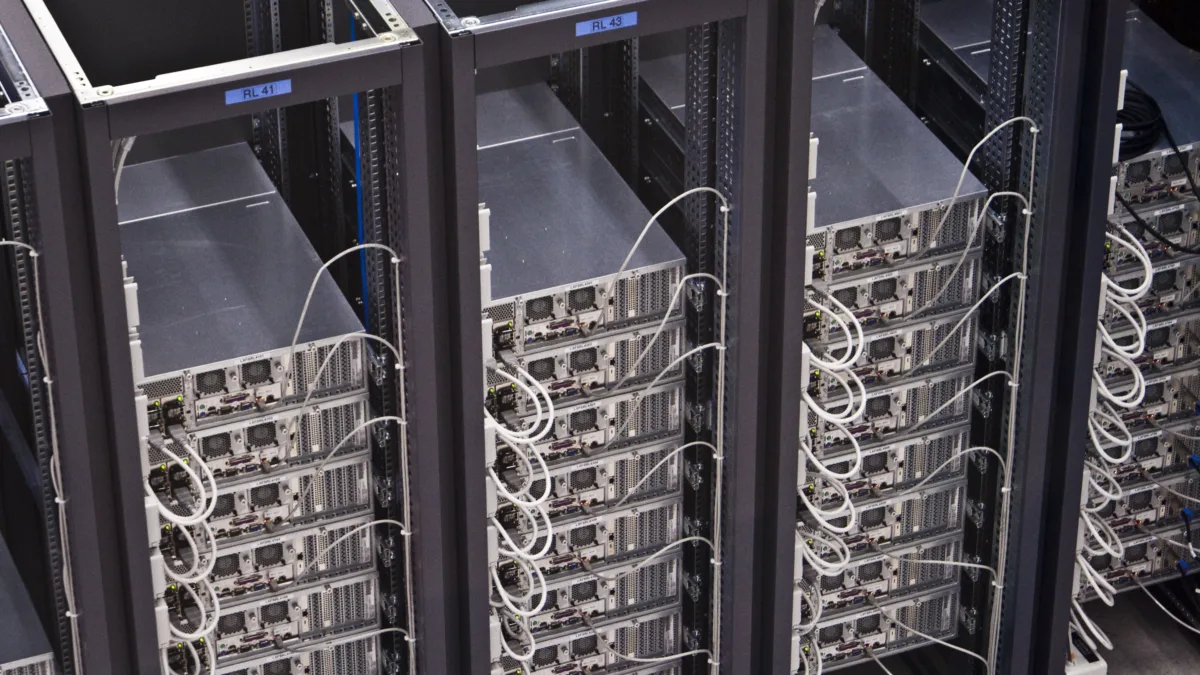
More than 3.5 billion records exposed in two unsecured databases were left open to anyone on the internet, security researchers have told WIRED, in one of the largest data exposures ever reported.
The two databases are unrelated and were found at around the same time by two different researchers. Together they held usernames, passwords, national identity numbers and personal documents belonging to people in dozens of countries.
What the 3.5 billion records exposed include
One database, found by Greg Pollock, director of research at security company UpGuard, held 1.64 billion documents about predominantly Chinese individuals and businesses. Pollock’s analysis found at least 840 million distinct national ID numbers, 300 million phone numbers, around 11 million student enrolment records and nearly 8 million business registrations.
Pollock told WIRED the trove appeared to be aggregated from many earlier breaches. He said it was still being updated until the week before he found it, and that it became inaccessible while he was investigating it, seemingly through a ransomware or destructive attack. He found no owner to notify.
The second database, found by Jeremiah Fowler of Black Hills Information Security, held around 2 billion login credentials, apparently collected by info-stealing malware from infected computers. It was organised into 8,471 folders named after countries, including the US, UK, France and Germany, and included hundreds of millions of accounts for mainstream US tech platforms, tens of millions of .gov, .edu and .org addresses, and more than 100 million social media logins.
Fowler described it as the largest exposure of credentials he has encountered in an accessible database. The most alarming part, he said, was around 400,000 documents that appeared to come from more advanced malware, compiling detailed profiles of individual victims — files labelled system, process, clipboard, brute force and passwords. “If you had that, you own that person,” Fowler told WIRED.
No company was hacked, researchers say
Neither database was the result of a hack of a named company, according to the researchers. Neither could identify an owner for either trove, and neither found evidence that a specific firm had been breached.
Fowler contacted the hosting company behind his discovery, which took the database offline. It is not known how long either database sat open, or who else may have copied the data.
Readers should treat the headline figure with care. The 3.5 billion total counts records and documents, not people, and neither researcher fully checked for duplicates, so nobody knows how many distinct people are affected. Fowler validated his data by sampling only.
What to do if your logins were exposed
Both researchers told WIRED that password managers and multi-factor authentication have proved broadly effective at keeping attackers out of accounts. Anyone reusing the same password across services should change it, turn on two-factor authentication where it is offered, and check whether their email address appears in known breaches.
The findings were reported by WIRED on Tuesday, 24 November. A separate account of Fowler’s discovery is available from 9to5Mac.
Newsy has previously reported on the JPMorgan, Visa and Mastercard customer data leak and the FBI crime database breach.