Bangladesh Gopalganj violence erupted overnight in the hometown of deposed prime minister Sheikh Hasina, after a local leader of the ruling Bangladesh Nationalist Party (BNP) was killed in clashes, prompting the deployment of 21 platoons of Border Guard Bangladesh (BGB) personnel across the district on Wednesday morning.
BNP farmers’ wing leader Raju Mollah was killed on Tuesday evening during clashes between police and supporters of Hasina’s Awami League, whose activities are banned, in the Bhanga area of neighbouring Faridpur district, police and media reports said. A police station and the house of a BNP lawmaker were set on fire in the unrest that followed.
01. Bangladesh Gopalganj violence: how the night unfolded
The trouble began in Tungipara, the sub-district in Gopalganj where Hasina’s family home stands, after police arrested several suspected Awami League supporters. Hundreds of people then besieged the Tungipara police station, where nearly 30 suspected activists had been detained, and set parts of the building and police vehicles outside it on fire. The detained youths were freed from the lockup during the siege, according to reports carried by PTI.
From Tungipara, the violence spread quickly. A local BNP office and several motorbikes were burned, and attackers targeted the residence of BNP lawmaker SM Zilany in Gopalganj, forcing his family members and others to flee. Zilany could not be reached by phone and his whereabouts were unknown on Wednesday morning, reports said.
The unrest also reached the capital. In Dhaka, police said unidentified attackers torched at least four parked buses between 8.45 pm and 11.15 pm on Tuesday and detonated crude bombs at several locations. No casualties were reported in the capital.
02. 21 BGB platoons deployed in Gopalganj
By Wednesday morning, the Border Guard Bangladesh had deployed 21 platoons at key locations across Gopalganj to maintain law and order, ensure public safety and deal with any untoward situation, the force’s media department said. The deployed personnel are working in coordination with the district administration and police, and the BGB headquarters is monitoring the situation round the clock using drones, body-worn cameras and other live footage, the force said.
The deployment is a sharp escalation from the 10 platoons stationed in the district earlier in the week. Around 200 police personnel, including senior officers, had been stationed at the Tungipara police station itself, but the government held them back from action to avoid further casualties, Home Minister Salahuddin Ahmed said.
Ahmed told parliament on Tuesday evening that those responsible would be identified and face stern legal action. “Today or tomorrow, those who attacked the police station, assaulted or attacked law enforcement personnel, will be identified through video footage, audio recordings and photographs and be brought under the law,” he said.
03. A district already on edge
The latest outbreak comes just two days after Awami League supporters staged aggressive demonstrations in Gopalganj, assaulting police vehicles and installations. In response, the authorities withdrew the district’s deputy commissioner, police superintendent and the officer in charge of the Tungipara police station.
State minister for foreign affairs Shama Obaed Islam, who is in her constituency in Faridpur, alleged that fugitive leaders of the “fallen fascist Awami League” were trying to create anarchy in the country. She also alleged that some groups were exploiting the ongoing garment-sector protests, where workers are demanding a minimum living wage, to destabilise the situation. The allegation has not been independently verified.
The violence also comes amid reports that Hasina plans to return to Bangladesh in December, a prospect that has sharpened political tensions in the country she led until her ouster. India has sought guarantees before any return, according to an earlier report.
With the BGB deployment in place and surveillance under way, the immediate question is whether the paramilitary presence steadies Gopalganj or whether the unrest spreads further. The violence follows a pattern of recurring clashes in the district since Hasina’s fall, and the coming days will show whether the authorities can contain it. A related case underlines the sensitivity of the border region: a BSF jawan was detained in Bangladesh after crossing the border in Sylhet earlier this week.
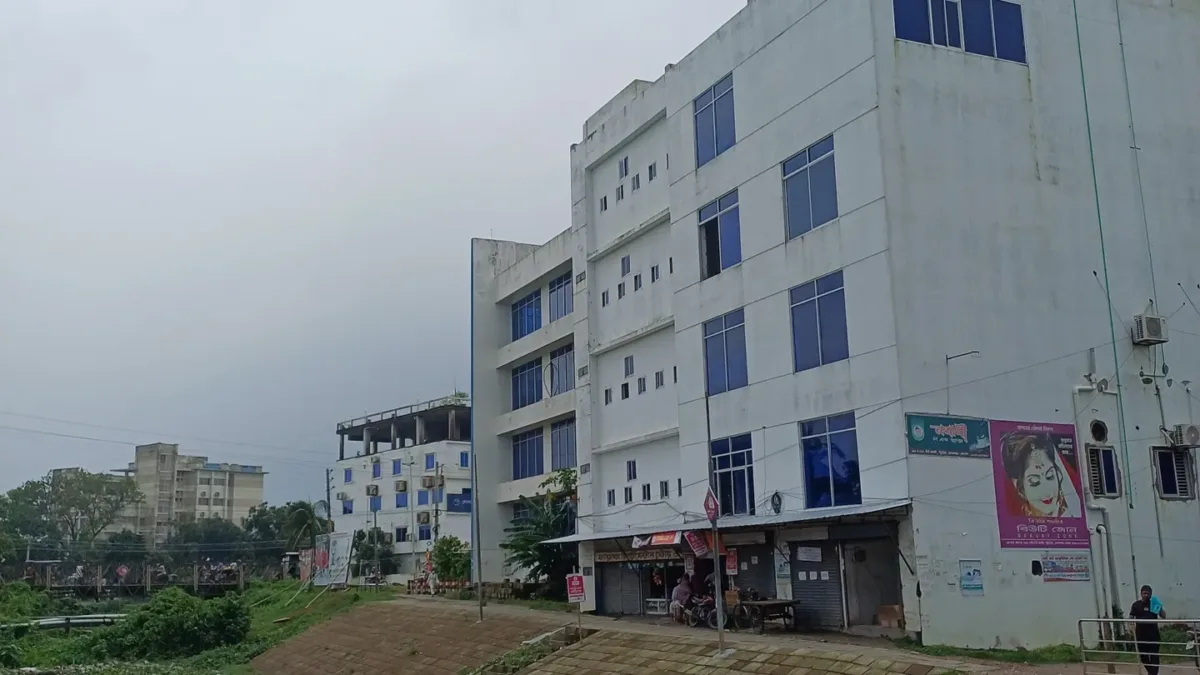
Sources: PTI via NDTV, Dhaka Tribune, Deccan Herald, Economic Times. The featured image is a file photo of Gopalganj town, taken in July 2025, not of the violence itself.