About 20 members of the isolated Awá tribe Brazil has kept at arm’s length for decades emerged from the rainforest on 16 November and asked neighbouring villagers for food, in a rare encounter that Indigenous rights advocates say is a warning about the state of their forest.
The group — men, women and children, some carrying spears and wearing necklaces and headdresses — walked out of the forest at the edge of the Arariboia Indigenous Territory in Maranhão, in north-east Brazil. They approached a village of the Guajajara, a larger Indigenous group that lives beside them, and a government post. The two groups speak different languages, so communication during the encounter, which lasted several hours, was almost impossible. Near the end, the Guajajara shared yams with the visitors, who took the offering and returned to the trees.
The Guajajara filmed the encounter, and the London-based advocacy group Survival International released the images on 17 November at the request of the Guardians of the Amazon, an Indigenous group that patrols the territory against illegal incursions. Smithsonian Magazine reported that the Awá have not made contact with the outside world in decades.
Why the isolated Awá tribe Brazil encounter worries experts
Guajajara spokesperson Olimpio Santos Guajajara warned that the meeting should not be read as a heartwarming story. “We were trying to avoid contact with them,” he told Brazil’s Globo television network. “Unfortunately, today they felt forced to come and make contact.”
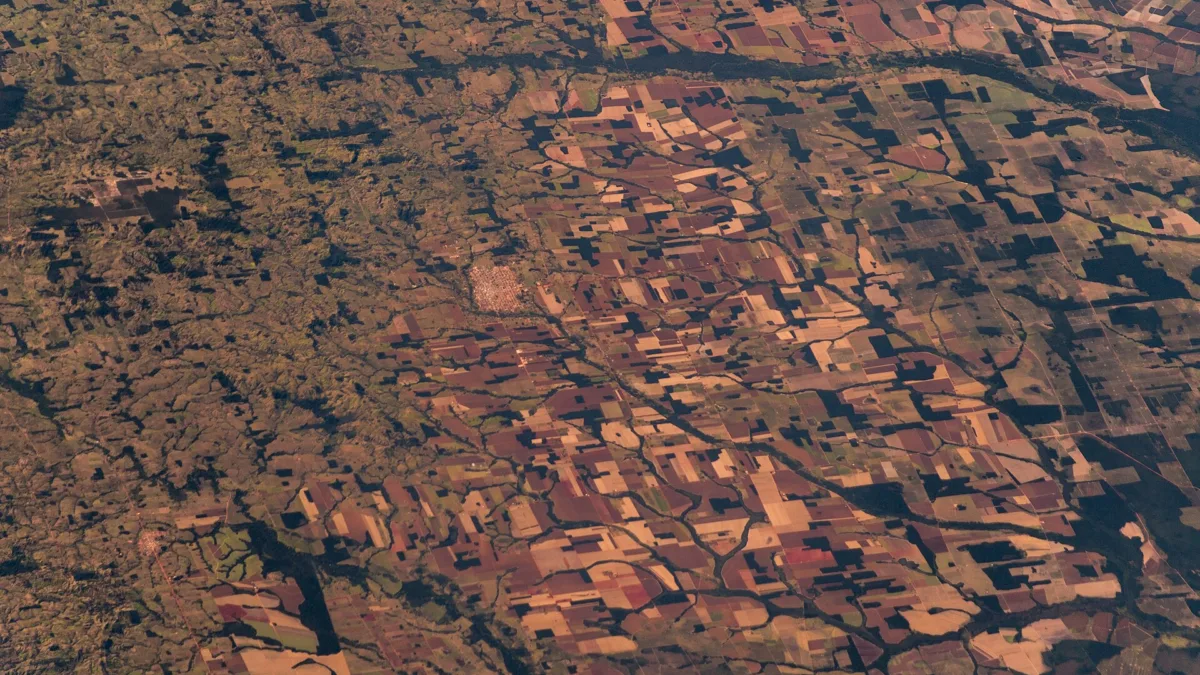
The concern is that the Awá’s forest can no longer feed them. Illegal logging, hunting and cattle ranching have closed in on the Arariboia territory from all sides, shrinking the land the tribe depends on for wild boar, deer, monkeys, fish, fruit and honey. Uirá Garcia, an anthropologist at the Federal University of São Paulo who has studied the Awá for 20 years, told Globo that some members of the group, including children, looked “exceptionally thin”.
Survival International’s director, Caroline Pearce, called it a troubling sign. “The uncontacted Awá are under extreme pressure as intruders encroach from all sides of their territory, driving them into an ever-smaller island of the Amazon rainforest, surrounded by destruction,” she said.
Brazil’s Indigenous affairs agency, Funai, said it was reviewing videos and reports of the encounter and had activated an emergency contingency plan to limit health risks. That matters because isolated peoples have little immunity to common diseases, and even brief contact can be dangerous. Funai stressed that the government is not seeking contact and that its policy of respecting voluntary isolation, in place since the late 1980s, is unchanged.
One of the world’s last uncontacted peoples
The Awá, whose name means “people”, are among the last true nomadic hunter-gatherers in the world. Estimates from 2020 put their total population at about 500, of whom around 100 remain in voluntary isolation — living with some knowledge of the outside world but actively choosing to stay apart. They live in small, mobile groups, build temporary shelters from palm leaves, and hunt with bows and arrows and spears.
Survival International estimates there are at least 196 uncontacted tribes in ten countries, with roughly 95 percent in the Amazon. The Amazon Conservation Team, which works with partner organisations in the region, puts the number of isolated Indigenous groups across the Amazon and Gran Chaco at 188. Reuters noted that it could not independently verify the location or date of the footage, though the encounter itself has been confirmed by Survival International, Funai and the Guajajara.
What happens next is largely in the hands of Brazil’s government: Funai’s contingency plan covers health monitoring and territorial protection, while the Guardians of the Amazon continue to patrol a territory that has been heavily deforested. For the Awá, the hope among advocates is that this rare, reluctant emergence is treated as what it appears to be — not a first hello, but a distress signal.
Also read: Magnitude 6.9 earthquake strikes Peru’s Andes and COP31 draft drops fossil fuel phase-out from revised deal.