A Chikmagalur weekend trip is one of the easiest escapes from Bangalore that still feels like a real break. In about five hours you trade traffic and apartment blocks for coffee estates, misty ridges and a hill town where the mornings smell of roasting beans. Chikmagalur — officially Chikkamagaluru — sits in the Western Ghats at about 1,090 metres, and it packs a lot into two days: Karnataka’s highest peak, a cave shrine sacred to two faiths, a quiet lake at sunset and some of the best coffee you will drink in India.
This guide covers the drive, the best months, and a day-by-day plan. All prices below are ranges — check them before you travel.
How to reach Chikmagalur from Bangalore
The road is the straightforward option. Chikmagalur is about 245 km from Bangalore by the usual route, NH75 through Nelamangala, Kunigal, Hassan and Belur, and the drive takes roughly 4.5 to 5.5 hours with a breakfast stop. The highway is four-lane for most of the way to Hassan; the last stretch from Belur climbs into the hills on a narrower two-lane road.
If you would rather not drive, KSRTC runs buses through the day and night from Kempegowda Bus Station (Majestic) and the Satellite Bus Station, via Hassan and Belur. The journey takes about 4.5 to 6 hours, and fares run roughly ₹330 to ₹700 one way — ordinary and Rajahamsa buses at the lower end, air-conditioned Airavat services at the higher end. Check the live fare on the KSRTC site before you book.
The train is the slowest option. Train 16240, the Yesvantpur–Chikkamagaluru Express, leaves Yesvantpur at 15:40 and reaches Chikmagalur at 21:05, about 5 hours 25 minutes, and it is unreserved. For a reserved seat, take a train to Kadur Junction — about 40 km away, a 45-minute drive, with express trains from Bangalore taking about three hours. There is no airport at Chikmagalur; the nearest is Mangaluru, about 150 to 170 km away.
Once you are there, a car of your own — or a hired cab for the weekend — makes the trip far easier, as the sights are spread along hill roads with infrequent buses. If you arrive by bus or train, arrange a cab or a homestay pickup in advance.
Best time to visit Chikmagalur
October to February is the best window. The monsoon has washed the hills green, the waterfalls are still flowing, and the air is clear enough for long views from the peaks. December and January are the coolest months — early mornings on Mullayanagiri can drop into single digits, so pack a light jacket — and they are also the busiest, with higher room rates on long weekends. September is a good shoulder month, and the coffee harvest runs roughly from November into January, when many homestays will show you the picking and drying if you ask.
March to May is warmer and quieter, with lower rates and thinner crowds. The southwest monsoon, roughly June to September, turns the hills emerald and fills the waterfalls, but the rain is heavy, the ghat roads fog up and the peak views often vanish into cloud. If clear views and easy walking matter more than drama, come after the rains.
Day 1: Mullayanagiri sunrise, coffee estates and Hirekolale Lake
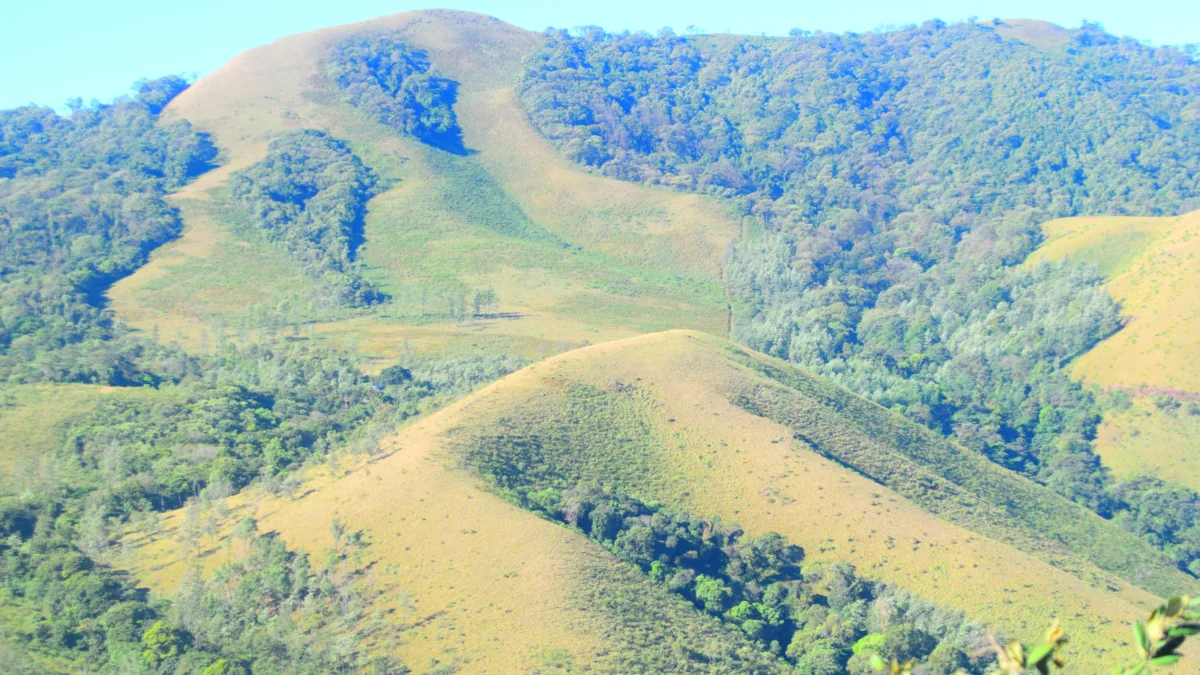
Start early. Mullayanagiri, at about 1,930 metres, is the highest peak in Karnataka, and the sunrise from the top is the single best moment of the trip. It is about 20 to 22 km from town, roughly an hour’s drive. You can drive most of the way up and then climb around 450 stone steps to the small Shiva temple at the summit, a 20 to 30 minute walk. Fit walkers can take the older Sarpadhari trail instead — about 3 km each way, steep in places, roughly 1.5 to 2.5 hours up — but check locally first, as forest trek routes here have faced temporary suspensions.
Plan around the vehicle system on the summit road. The district administration runs slot-based entry — two daily slots, 6 am to noon and 1 pm to 6 pm, capped at 600 vehicles per slot — with online pre-booking and vehicles held at Seethalayyanagiri, from where departmental jeeps cover the last stretch. Private buses and minibuses are not allowed up the hill, so ask your host the evening before.
Back down by late morning, spend the middle of the day in the coffee estates. Local tradition says the Sufi saint Baba Budan brought seven coffee beans from Yemen in the 17th century and planted them in these hills. Many homestays sit on working estates and will walk you through the rows, show you the pulping and drying yards in harvest season, and serve coffee made from beans grown a few steps away.
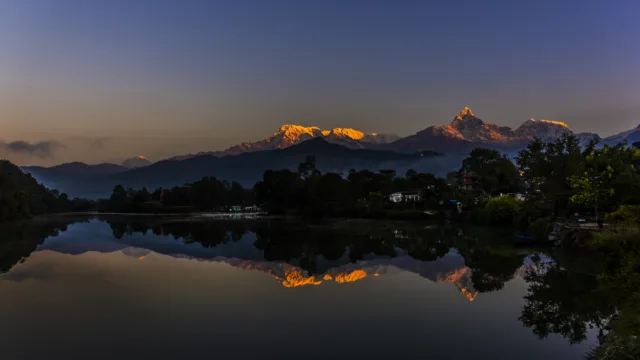
In the late afternoon, drive out to Hirekolale Lake, about 10 km from town on the Mullayanagiri road. It is a man-made reservoir built to supply the town’s drinking water, and one of the calmest places in the district: a bund road across still water with the Mullayanagiri range reflected in it. Entry is free, the lake is open roughly 6 am to 6 pm, and sunset is the time to come — carry your own snacks, as there are no food stalls.
Day 2: Baba Budangiri, Manikyadhara Falls and the drive home
On the second morning, head north to Baba Budangiri, the mountain range named after the same saint who is said to have brought coffee to India. The Datta Peeta shrine at the top — a cave shrine known as Inam Dattatreya Peetha — is revered by both Hindus and Muslims. The shrine is roughly 28 to 35 km from town, about an hour to an hour and a half of winding road through coffee estates and shola forest, and the same vehicle slot rules apply here, so confirm the arrangement before you go. Nearby, Manikyadhara Falls drops in a short cascade a few kilometres from the shrine and is an easy stop on the same drive.
If you have time and a car, Hebbe Falls is the classic alternative for the second day — a two-tiered fall deep in the forest near Kemmangundi, about 65 km from town. It is reached only by local jeep from the check post, and the jeep charge is the real cost: reports put it at roughly ₹400 to ₹700 per person, though the Bhadra Tiger Reserve booking portal has listed a different figure, so check the portal before you commit to the drive.
Leave by early afternoon and you will be home by night. If you have an hour to spare, Belur is on the way — about 25 km from Chikmagalur on the Hassan road — and its Hoysala-era Chennakeshava temple is worth a stop. If you have a third day, Sringeri is the natural extension: the Sharada Peetham on the banks of the Tunga about 85 km away, with darshan roughly 6 am to 2 pm and 4 pm to 9 pm. For a similar hill-and-coffee break, our Coorg trip covers three days among the coffee estates and waterfalls of Kodagu, and our Munnar trip does the same for Kerala’s tea country.
Where to stay in Chikmagalur
Stay on a coffee estate if you can — it is the whole point of coming here. Homestays on the town edge run roughly ₹2,000 to ₹4,000 a night and keep you close to shops and ATMs, while cottages deeper in the hills run roughly ₹4,500 to ₹7,500. Lodges on the Mullayanagiri side, convenient for a dawn start, run roughly ₹6,000 to ₹12,000 a night, and whole estate villas for groups can reach ₹18,000 to ₹25,000 and beyond. Budget hotels in town run roughly ₹900 to ₹2,500 a night, and hostel dorm beds start at roughly ₹500 to ₹700. Most homestays include breakfast and a Malnad dinner.
Book early for December and January weekends. Before you book, ask how far the property is from town, whether the last stretch needs a high-clearance vehicle, and whether the host can arrange the Mullayanagiri vehicle booking and local jeeps.
What to eat
Chikmagalur’s food is Malnad food, and the best of it is cooked in homestays rather than restaurants. Expect akki roti and neer dosa with chutney for breakfast, a vegetarian or chicken Malnad meal at lunch, and filter coffee at every pause in the day. In town, the small eateries near the bus stand serve the same staples cheaply and well — look for the busiest one at lunchtime. Coffee is the souvenir to buy: estates sell their own beans, and a bag of freshly roasted Arabica costs far less here than in a Bangalore cafe. Carry water and snacks on hill days — there are long stretches with no shops.
How much does a Chikmagalur weekend trip cost?
For a couple travelling by their own car, a two-day, one-night weekend works out at roughly ₹8,500 to ₹13,600 on a budget, with mid-range trips running higher. Per person, budget roughly ₹4,000 to ₹7,000 on a tight plan and roughly ₹8,000 to ₹12,000 mid-range. Bus fares from Bangalore run roughly ₹330 to ₹700 one way, a night in a homestay roughly ₹2,000 to ₹7,500, and meals roughly ₹300 to ₹800 a day per person. Fuel for the round trip is roughly ₹1,500 to ₹2,000 in a petrol car, plus a few hundred rupees in tolls each way.
Watch two costs: a hired cab for two days can match what you saved on the bus, and jeep rides vary by season, so confirm them when you book. All prices here are indicative ranges from sources checked in November 2026; check before you travel.
A few things to know before you go
- Book your Mullayanagiri vehicle slot in advance — weekend slots fill up and entry can be suspended in bad weather.
- Check whether the Sarpadhari trek is open before you plan around it; forest routes here have faced temporary suspensions.
- Carry cash — ATMs thin out fast outside town.
- Mobile signal is patchy on the estate roads and around the peaks, so download offline maps before you leave Bangalore.
- Pack a light jacket — peak mornings are cold all year — and rain gear between June and September.
- Mobile signal is patchy on the estate roads and around the peaks, so download offline maps before you leave Bangalore.
- Respect the shrines: cover up at Baba Budangiri and the Datta Peeta, and keep voices low inside the cave.
Done right, a Chikmagalur weekend trip is not a checklist of viewpoints. It is two slow days among coffee bushes, a cold sunrise above the clouds, and a lake at dusk — close enough to Bangalore to do on a whim, and quiet enough to feel like you actually got away.