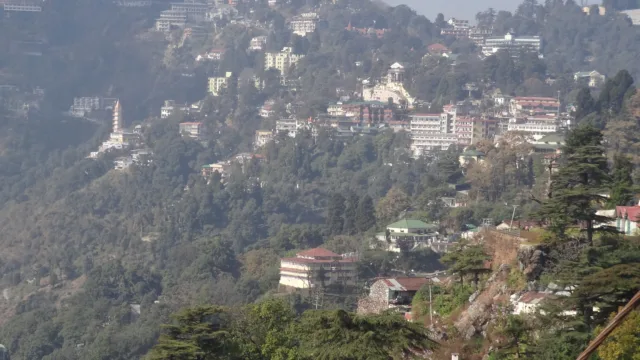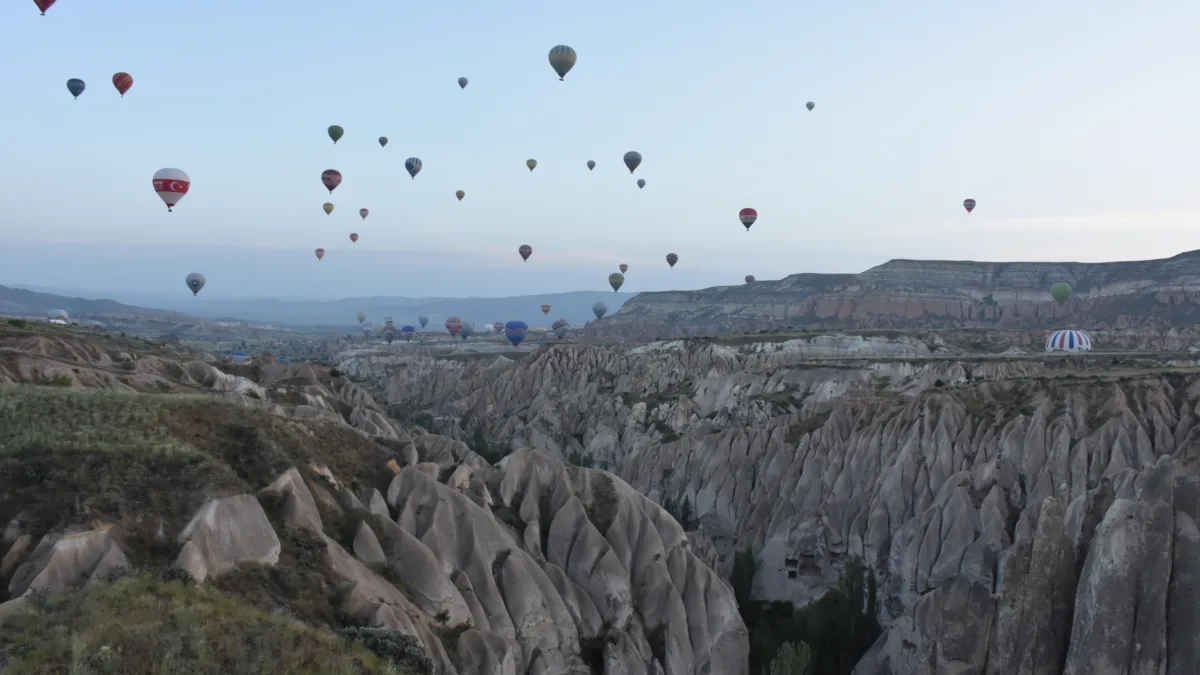
A Turkey trip from India is one of the best-value long-haul holidays an Indian traveller can plan. In six days you can stand under the dome of Hagia Sophia, cross the Bosphorus between two continents, and watch the sun rise over Cappadocia from a hot-air balloon. This guide covers the visa rules, the flights, the best time to go, a day-by-day plan for Istanbul and Cappadocia, where to stay, what to eat and what it costs.
Turkey Trip from India: Visa Rules for Indians
Sort the visa out before anything else, because the rule for Indian passport holders catches many first-timers out. Indian ordinary passport holders need a visa to enter Türkiye. There is no visa on arrival and no visa-free entry for Indian nationals.
There are two routes, and which one applies to you depends on visas you already hold. If you hold a valid visa or residence permit from a Schengen country, the United States, the United Kingdom or Ireland, you can apply online for a single-entry e-visa, valid for up to 30 days, for tourism or business. The supporting visa must still be valid on the day you enter Türkiye, and it can sit in an old passport as long as you carry that passport too. The e-visa fee is about US$43 for Indian applicants.
If you do not hold one of those visas or permits, the online route is closed to you. You apply for a sticker visa through the authorised visa application centres in India (VFS Global), with an appointment and biometrics. Apply at least four to six weeks before travel, and carry a passport valid for at least six months from your date of arrival. Apply only on the official e-visa site, evisa.gov.tr. Visa rules change, so confirm your route on the Turkish Ministry of Foreign Affairs visa page before you book.
How to Reach Turkey from India
Fly direct to Istanbul. Turkish Airlines and IndiGo both fly non-stop from Delhi and Mumbai to Istanbul Airport (IST) every day. Delhi to Istanbul takes about 7 to 8 hours, and Mumbai to Istanbul about 7 to 7.5 hours; the return leg is shorter, roughly 6.5 hours. Return economy fares generally fall in the range of roughly ₹35,000 to ₹55,000 when booked a few months ahead, though fares move sharply with the season.
From Istanbul to Cappadocia, fly. The domestic flight to Kayseri (ASR) or Nevşehir (NAV) takes about 75 minutes to 1 hour 20 minutes, and one-way fares generally run about US$45 to US$150 depending on the season and how far ahead you book. Nevşehir is closer to Göreme, about 40 km or a 40 to 50 minute transfer, while Kayseri is about 75 km away, a 60 to 90 minute transfer, but has more flights. Book the airport shuttle with your hotel before you land.
Best Time to Visit Turkey
The two best windows are April to June and September to October. Istanbul is mild, Cappadocia’s valleys are at their prettiest, and balloon flights get the clearest, calmest mornings. Spring brings daytime temperatures of roughly 15°C to 25°C, and autumn is similar, with golden light over the fairy chimneys in October.
Summer, June to August, is hot — Istanbul is humid and crowded, and Cappadocia sees daytime temperatures around 28°C to 35°C. Winter, December to February, is the cheapest and quietest season: Istanbul is cold and wet, Cappadocia is often snow-covered and beautiful, but balloon flights are cancelled far more often for wind. Book the balloon for your first morning in Cappadocia and keep the next morning free as a backup.
Day 1: Arrive in Istanbul and Walk the Old City
Land at Istanbul Airport, clear immigration and take the metro or an airport shuttle into Sultanahmet, the old city. Give yourself the afternoon to shake off the flight: walk to the Hippodrome, look across Sultanahmet Square at the Blue Mosque and Hagia Sophia standing opposite each other, and eat your first Turkish meal — a döner or a pide, the Turkish flatbread topped with cheese or minced meat.
Day 2: Hagia Sophia, Blue Mosque and the Grand Bazaar
Start at Hagia Sophia, which opens to visitors at about 09:00 in winter and 08:00 in summer. Since January 2024, foreign tourists pay about €25 for the upper-gallery route, where the surviving Byzantine mosaics are; the ground floor is a working mosque reserved for prayer. Children under eight enter free. The gallery closes to visitors during the Friday midday prayer, roughly 12:00 to 14:30, so avoid Friday morning here.
Cross the square to the Blue Mosque, which is free to enter. It opens to visitors from about 08:30 until dusk, but closes to tourists for each of the five daily prayers, and on Fridays it stays closed to visitors until about 14:30. Cover your shoulders and knees, women cover their hair, and remove your shoes — free scarves and wraps are handed out at the entrance.
Spend the afternoon in the Grand Bazaar, one of the world’s oldest covered markets. It is free to enter and open Monday to Saturday, about 08:30 to 19:00, and closed every Sunday and on religious holidays — the single fact that ruins more Istanbul itineraries than any other, so never leave your only visit for a Sunday. End the day at the Spice Bazaar in Eminönü, which does open on Sundays, for Turkish delight, saffron and dried fruit.
Day 3: Bosphorus Cruise and the Asian Side
Take a Bosphorus cruise in the morning. The cheapest way is the public Şehir Hatları ferry: the two-hour short tour from Eminönü costs about 340 Turkish lira for foreign visitors, and the six-hour full tour to the Black Sea end costs about 640 lira. Private tour boats run roughly every hour from Eminönü and Kabataş, last about 90 minutes to two hours, and cost from about US$9 online or 250 to 300 lira at the pier.
In the afternoon, cross to the Asian side on a public ferry to Kadıköy. Kadıköy is where Istanbul eats: the market streets around the fish market are full of small restaurants, bakeries and cafés, and the Moda waterfront is the place for a slow sunset walk.
Day 4: Fly to Cappadocia and Walk the Valleys
Fly from Istanbul to Kayseri or Nevşehir in the morning and transfer to Göreme, the walkable base town for Cappadocia. Check in, then spend the afternoon on foot: the Red Valley and Rose Valley are an easy walk from town, with pink and ochre rock formations that glow at sunset. Climb to the Göreme sunset viewpoint for the classic view of the town and the valleys. Book tomorrow’s balloon flight tonight if you have not already — pickup is usually around 04:00.
Day 5: Hot-Air Balloon at Dawn and Göreme Open Air Museum
The balloon flight is the reason most people come to Cappadocia, and it is worth the early start. A standard shared sunrise flight lasts about an hour in the air, and prices in 2026 generally run about €80 to €160 per person in a standard basket, and about €150 to €260 in a smaller comfort basket. Peak months — May, June, September and October — cost more, roughly €170 to €230 for a standard flight, while winter seats can drop below €100. Flights are weather-dependent and can be cancelled on the morning, which is why you kept today as your first balloon morning and not your last.
After landing and breakfast, visit the Göreme Open Air Museum, a short walk uphill from the town square. Entry costs €20 for foreign visitors, and the Dark Church inside — the best-preserved frescoes in Cappadocia — needs a separate €6 ticket. The site opens at 08:00. In the afternoon, visit Uçhisar Castle, the rock fortress at the highest point in Cappadocia, or take a short drive to Paşabağ, the valley of the tall fairy chimneys.
Day 6: Morning in Göreme, Fly Home via Istanbul
Use the morning for anything the weather delayed — a second balloon attempt if yesterday’s flight cancelled, or a walk through Pigeon Valley to Uçhisar. Then transfer to the airport and fly back to Istanbul, connecting to your flight home the same evening.
Where to Stay in Istanbul and Cappadocia
In Istanbul, stay in Sultanahmet for the sights on foot, or in Galata and Karaköy for restaurants and nightlife with the old city a short tram ride away. Budget rooms in the old city generally run about €40 to €80 a night, mid-range hotels about €80 to €150. In Cappadocia, stay in Göreme: it is the walkable base, with the densest choice of cave hotels. Budget cave rooms generally run about €45 to €70 a night for two people, and mid-range boutique cave hotels with a valley-view terrace about €100 to €180.
What to Eat in Turkey
Turkish food is generous and cheap at local places. Start the day with a Turkish breakfast — bread, cheese, olives, tomatoes, eggs and tea. For lunch, try a döner wrap, a pide, or a bowl of lentil soup, which is served almost everywhere. In Istanbul, eat grilled fish sandwiches at Eminönü and baklava in the old city. In Cappadocia, try testi kebab and the local apricots. A meal at a local restaurant generally costs about €5 to €12 per person, and a sit-down dinner with drinks about €15 to €30.
Turkey Trip from India: Budget Ranges
All prices below are ranges, not fixed figures. Check current rates before you travel: fares, hotel rates and the rupee–euro rate all move, and prices are highest in April to June and September to October. A budget trip for one person, six days, generally works out at roughly ₹1,10,000 to ₹1,50,000 including return flights: economy flights, budget hotels, local food, the Istanbul–Cappadocia flight and the main sights, but not the balloon flight. A mid-range trip, with a mid-range hotel, restaurant dinners, the balloon flight and a few paid sights, generally costs roughly ₹1,60,000 to ₹2,30,000 per person including return flights.
The costs that catch first-timers out are the balloon flight and the internal flight, not the hotel: a balloon seat can cost more than two nights in a cave hotel. Book the visa first, then the flights and hotels. If you are weighing other short international trips from India, our Japan trip guide covers five days in Tokyo and Kyoto, and our Maldives trip guide covers a four-day island holiday.